Lecture Series One: READING LIKE A WRITER
The first in my lecture series on the techniques and processes of writing fiction.
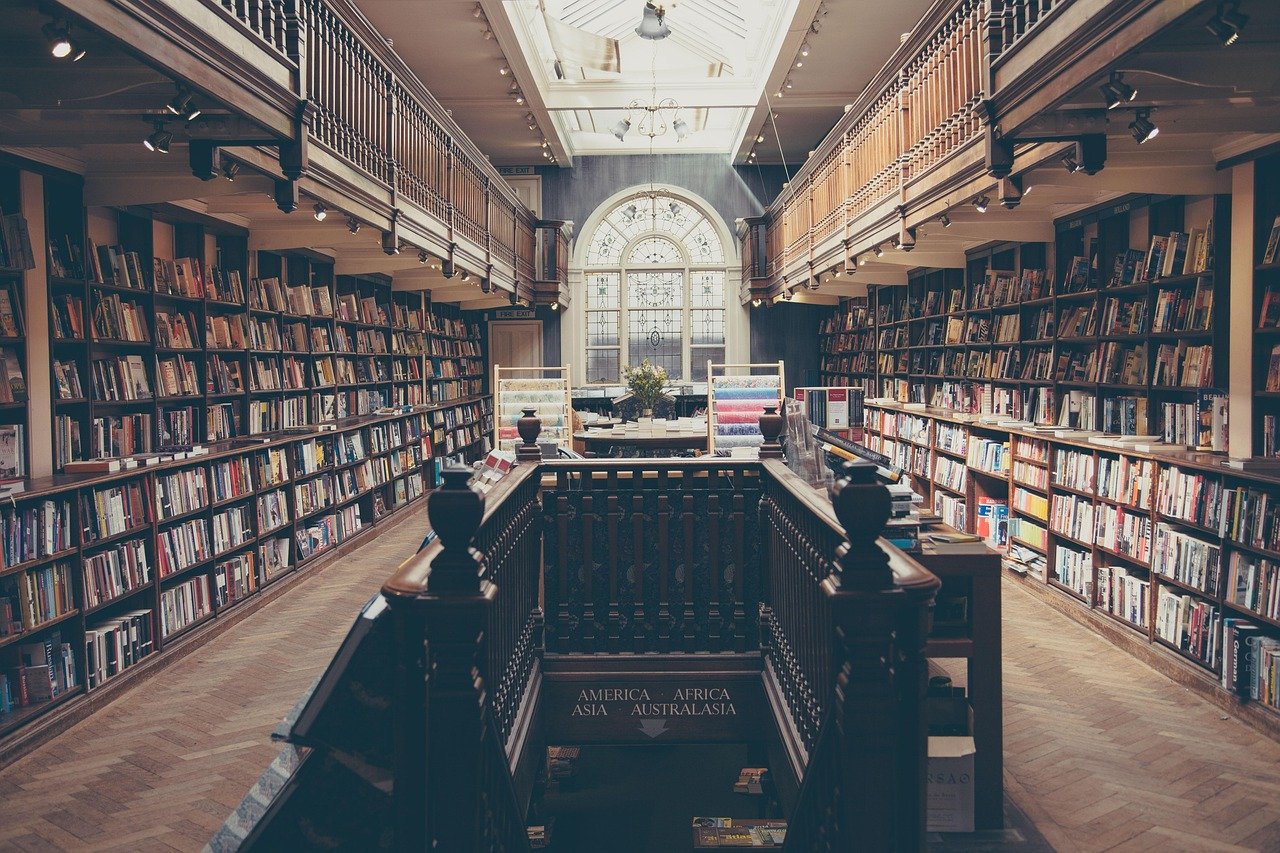
Image by Foundry on Pixabay
Many of you are probably already familiar with the process of reading like a writer. What does the term mean? First, let’s look at what it doesn’t mean. There are many ways to read. One can read like a beach bum, content to be swept away on the tide of the story. One can read like a literary critic or an English teacher, with pen in hand, starring and underlining all the symbols and clues to the theme, intent on puzzling out “what it all means.” One can read like a book reviewer, noting strengths and weaknesses, likes and dislikes, ultimately determining if the experience of reading is worth the time and effort required.
Writers can read like any of these. Many writers regularly write book reviews, and some are also teachers or literary critics. All of them have at one time or another found themselves parked upon a beach with somebody else’s book in hand. But writers have their own way of reading that is different from all the others, and that proceeds from one basic question: “As a writer of fiction, what can I learn from this work of fiction written by another?”
The question of “what can I learn from this” stands above all else. First, it renders the issue of like and dislike irrelevant. No reader will love the work of every great writer. Fans of Jane Austen probably won’t feel the same passion for Nick Hornsby. Charles Dickens and Raymond Carver? Hard to love them both. But that’s all a matter of taste. Writers can learn from all of these writers, sometimes more from the one disliked than from the one revered.
At its core, reading like a writer means focusing on craft. What is the author doing? How does this piece of fiction work? And what can I learn from it?
Not that a story should only be looked at for craft. It’s important for writers, like readers, to fall into the dream of the story. This surface story is the first thing a writer must focus on; at its core, Moby Dick is the story of a guy with a crazy boss, and Melville must tell that story first and convincingly. Without that, no matter how impressive the metaphysics and philosophy and details about how to skin a whale might be, Moby Dick fails as a story.
Writers try hard to keep readers from noticing the story’s “underwear,” to keep readers from realizing there is machinery behind the work. Toni Morrison said that she worked very hard to make it look as if the work came easily. When reading a story, then, enjoy it. But also look at the craft.
When looking at the craft of a piece of fiction, it can be helpful to consider how the writer is using the traditional elements of fiction. What are the conventions and expectations one brings to a piece of fiction? How is the author meeting or changing up those conventions? How does the author use fictional techniques to create the desired effect?
What do we expect to find when we read a short story?
Characters, certainly. Usually those characters are human, and we can pick out one of them as the main character. These would be general expectations, and one value here is that we can compare the actual story to the expectations; a given story might have more than one main character, for instance, or its characters might not be human.
Plot/event: we expect something to happen. Usually there are a series of events that are connected in some causal way, that build toward something. We can also look at this element in terms of structure: how the story unfolds.
Stories have settings. They have a particular point of view. They have voice and style. They have pace. They use a variety of techniques to present the material: narration, description, dialogue, exposition, and internal.
Almost all stories have one or more scenes: a moment or moments grounded in a particular time and place, in which time moves forward. In fact, you might say that “scene” is the core of fiction, just as “image” might be considered the core of poetry.
Stories also have tension. Many stories have character change, but many stories do not, and so one way to think of where a story builds to is to think in terms of a “moment of illumination.” That moment of illumination could come on the part of a character, or it could come on the part of the reader, or both. The difference here is that the character doesn’t have to change for it to be a story; there are many stories where the reader understands more than the main character does about what has happened, or its effects.
Novels and short stories both use all of these techniques and elements, but there are a few additional considerations when looking at a novel.
When looking at structure, for instance, look to see how the novel is put together. Note divisions, sections, chapters, white space; try to identify how the novel "moves" – chronologically forward, circular, modular?
Look at the beginning, middle and end (which I often think of as similar to the movements of a symphony). Look at present actions and significant events: What happens and what does it mean? How are the events related to each other? (Look for causality) In what order are the events presented? To which events and/or issues does the writer give the most attention?
Look at techniques like backstory and flashback. Look for sources of tension. Look at where the novel starts and the effects of those first impressions. Look at aspects of the author's style, and how that style affects the way you experience the story.
Finally, look at how the novel handles time. I recall a quote (although I can't remember the writer who said it) that, "The best thing about writing a novel is that you can do anything. The worst thing about writing a novel is that you can do anything." This is especially true when it comes to handling time.
You can write a novel that covers three hundred years and you can write a novel that takes place over the span of ten minutes. And anything in between. One part of a novel can take place in 2019 and another part of the same novel can take place in 1724. So it can be helpful to look at how a writer is handling time.
The most important thing to keep in mind when reading like a writer is the approach that accepts that all these works are well-written models from which you can learn a lot about writing novels. No book is perfect, but everything done in published works has been done as a conscious choice; it's part of the author's intent, and you can trust that there's a reason behind it. That doesn't mean you will like everything, and at times you may disagree with a writer's choice, but you don't need to like a book to learn from it. Sometimes, you can learn more from a book you don't like because you won't be as easily seduced by it, so you'll be better able to see through the fancy evening wear to see what those books are wearing underneath.